

















Project Background: Smart College Cafeteria Transformation
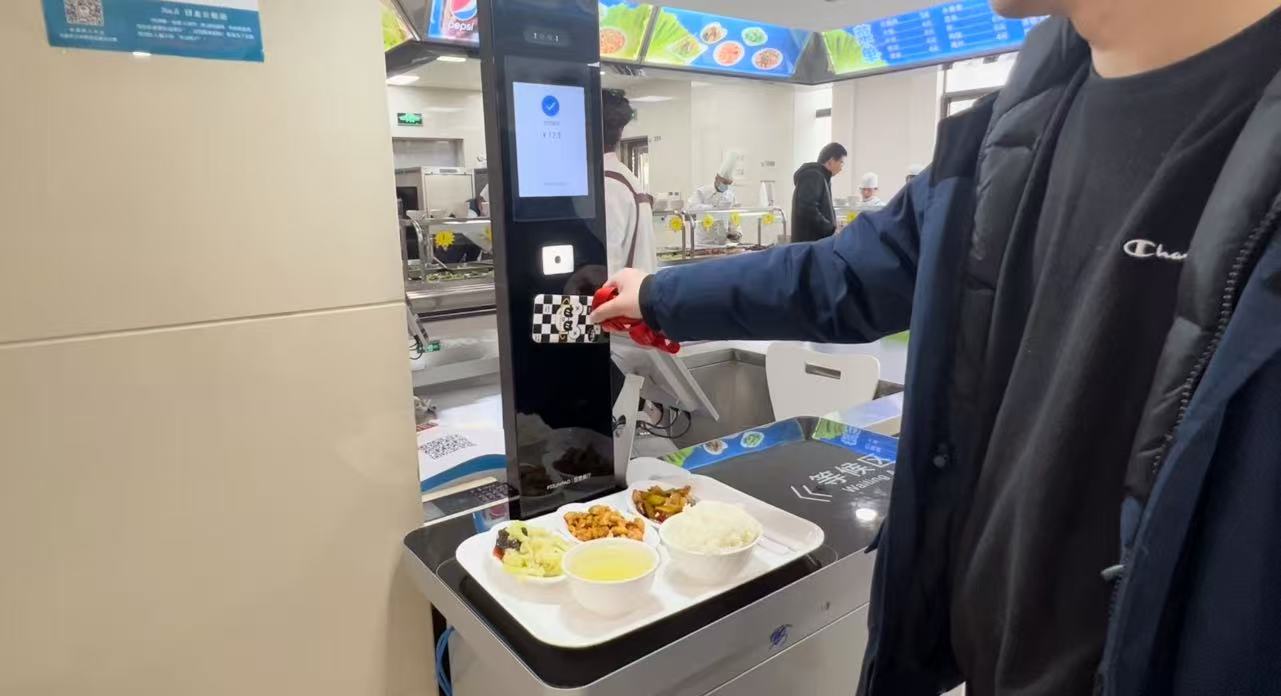
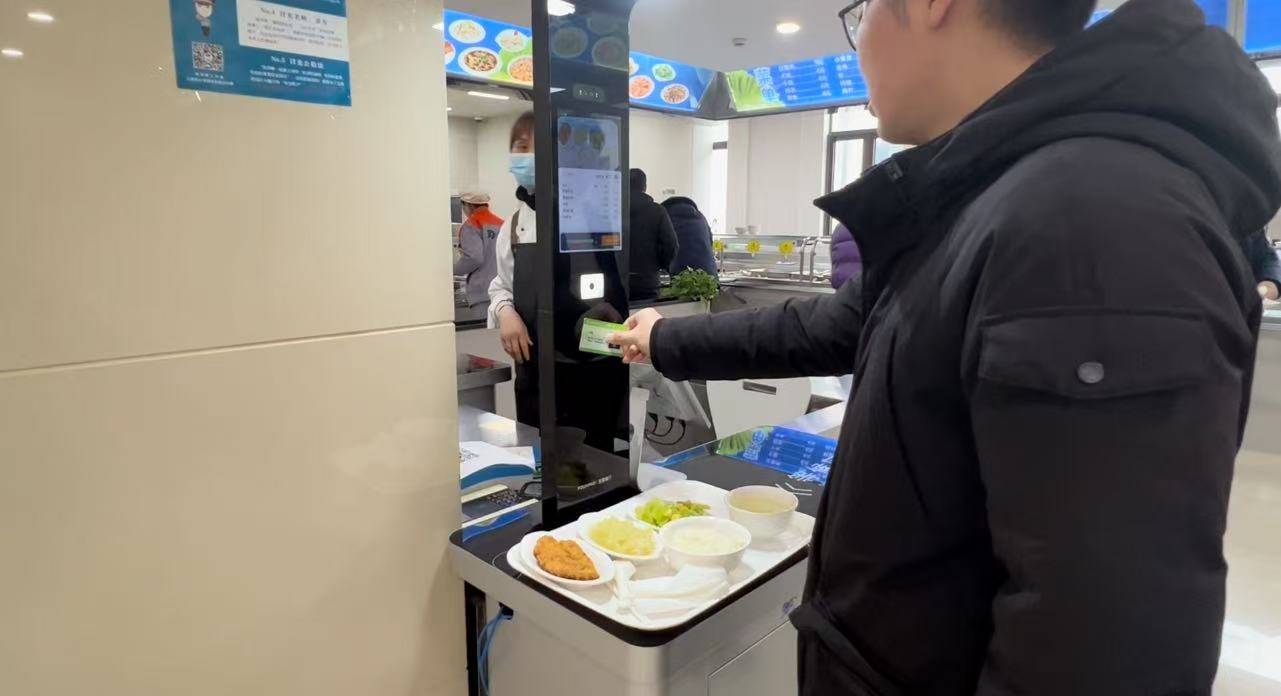
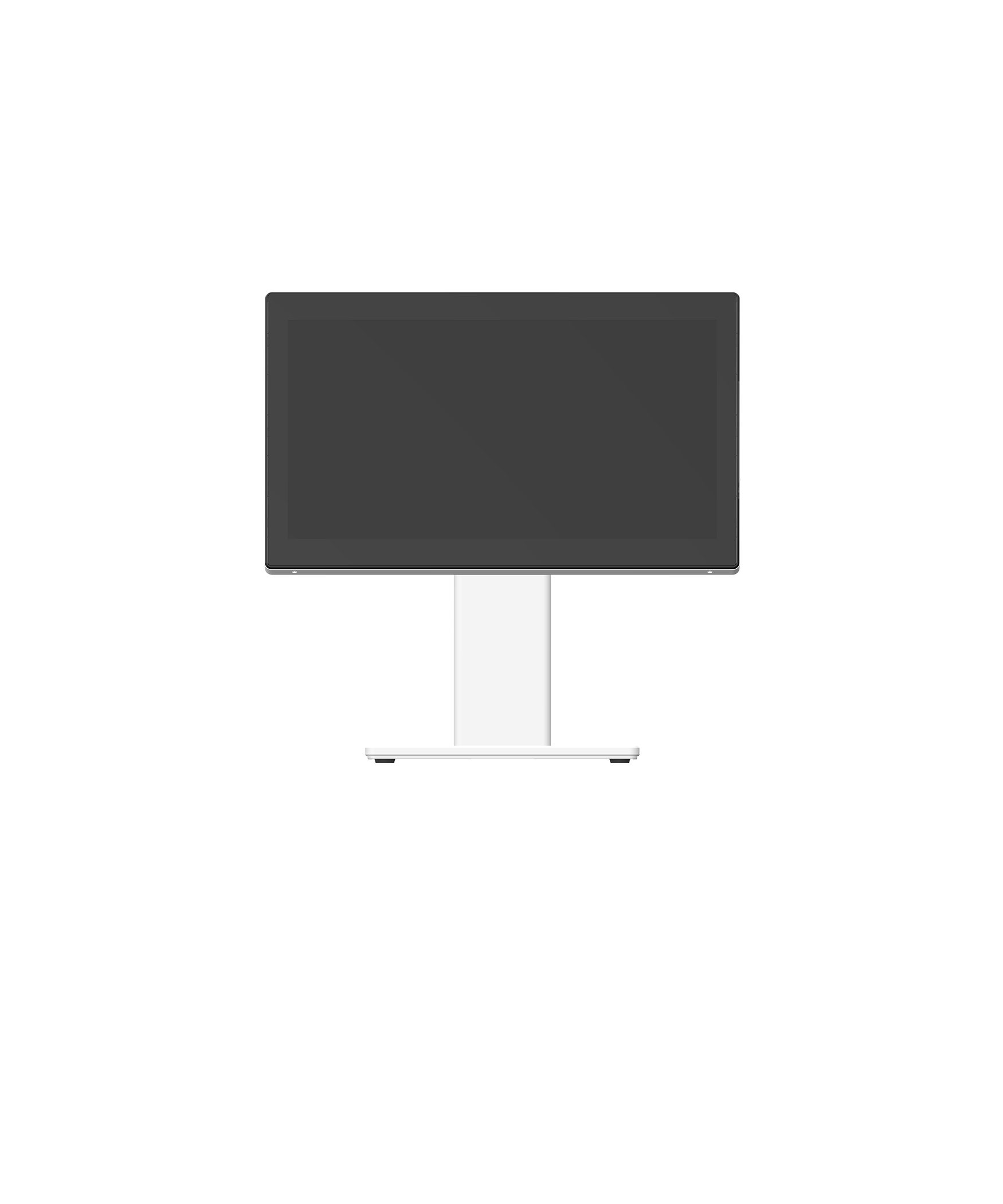
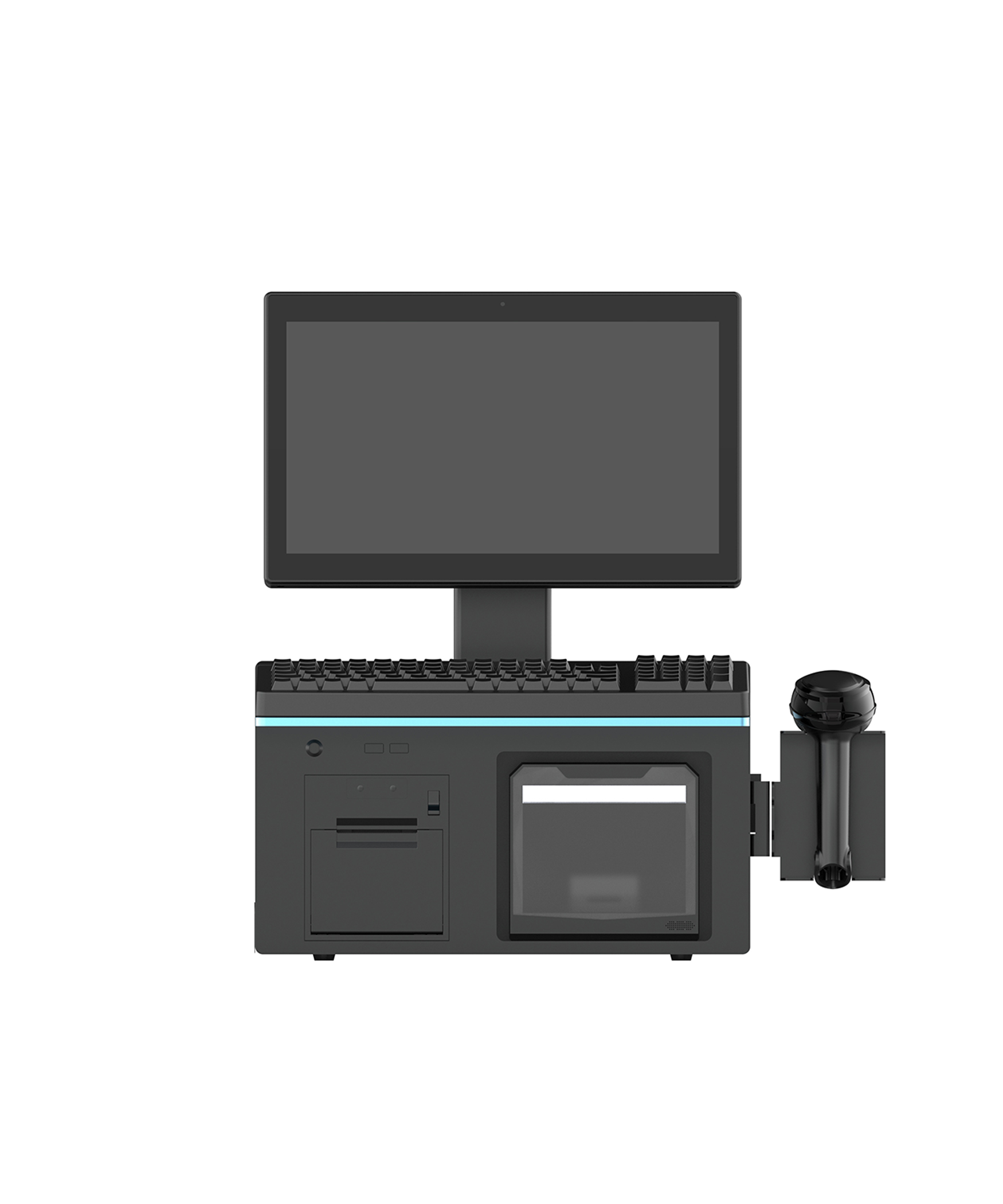
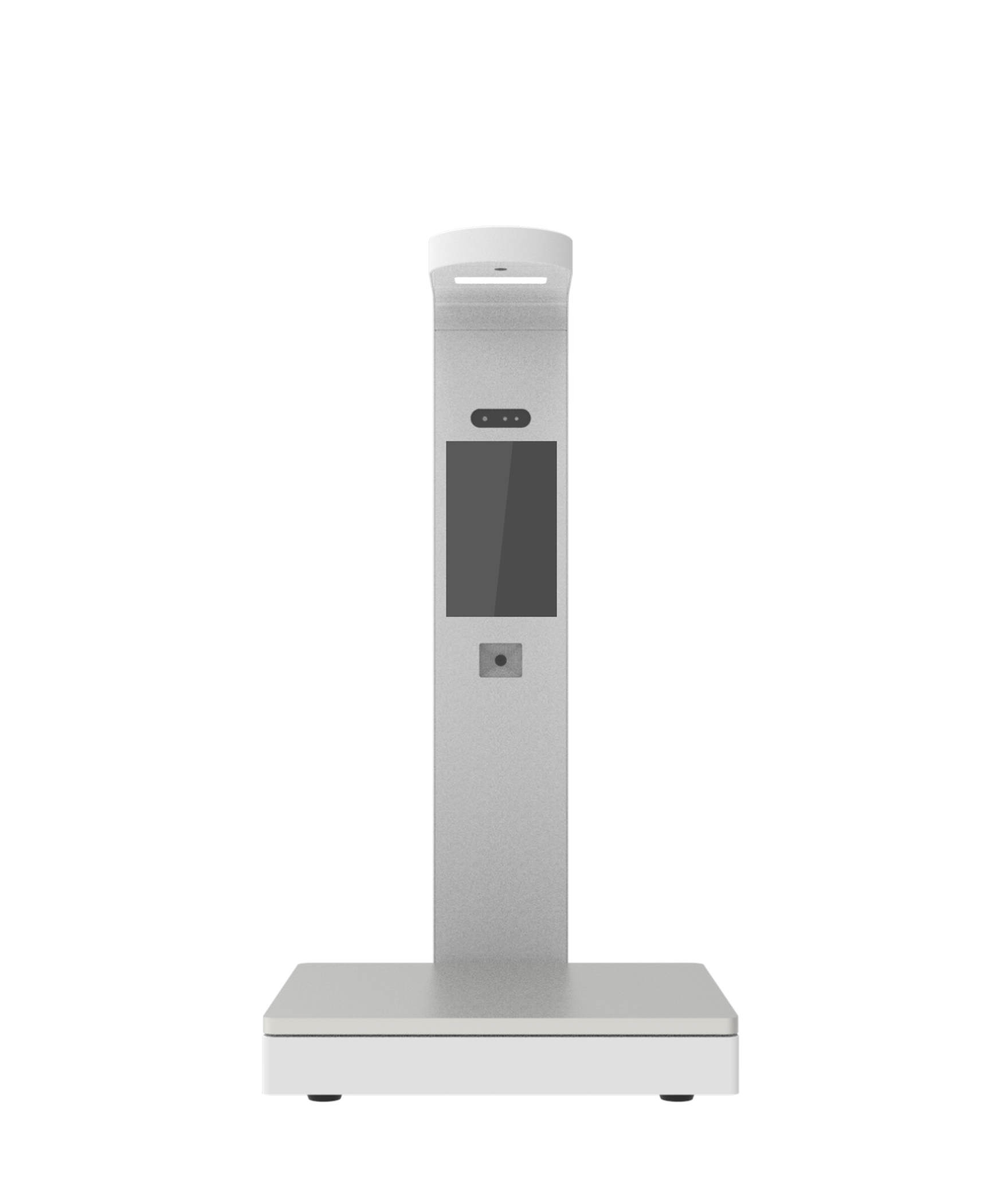
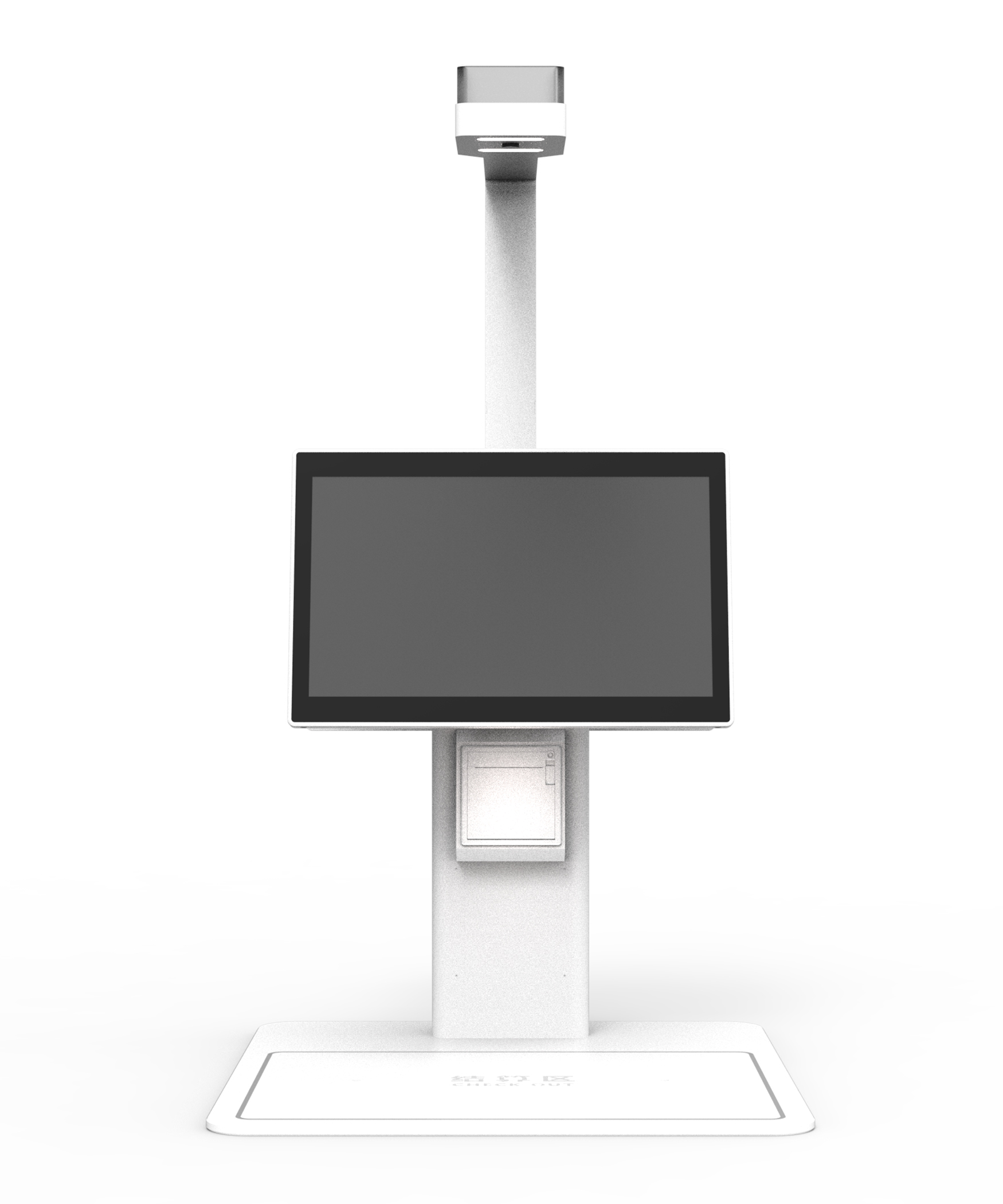
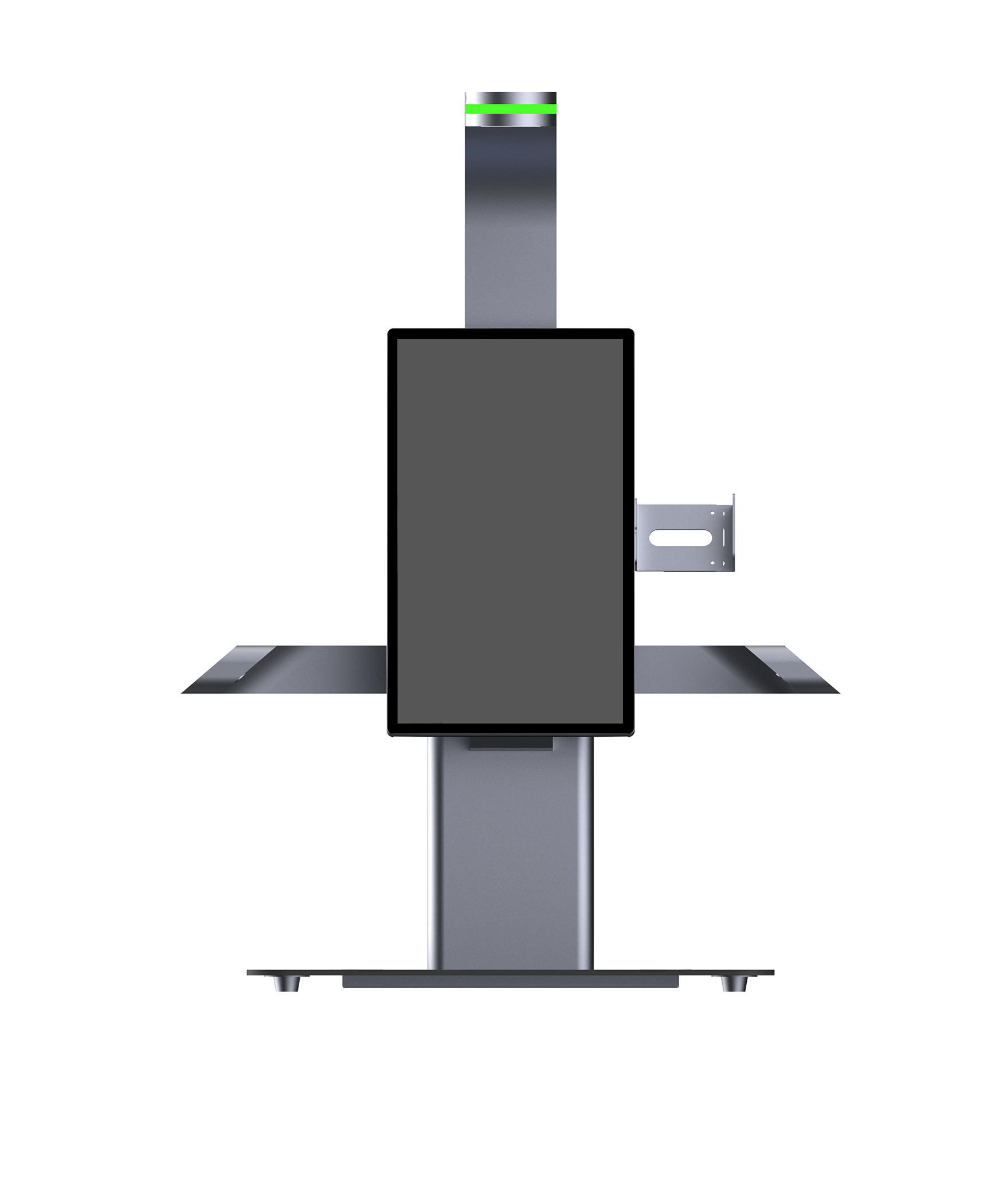
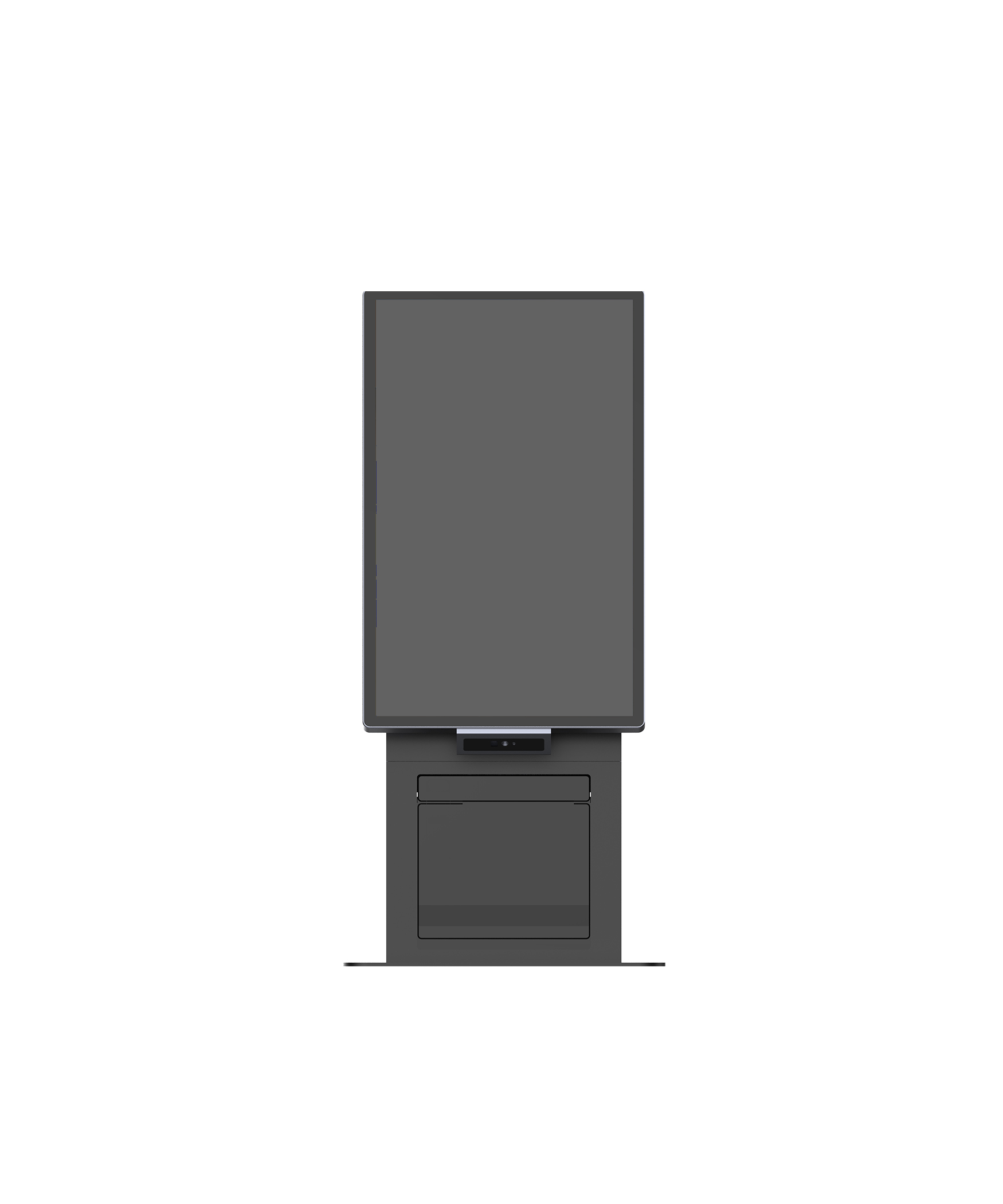
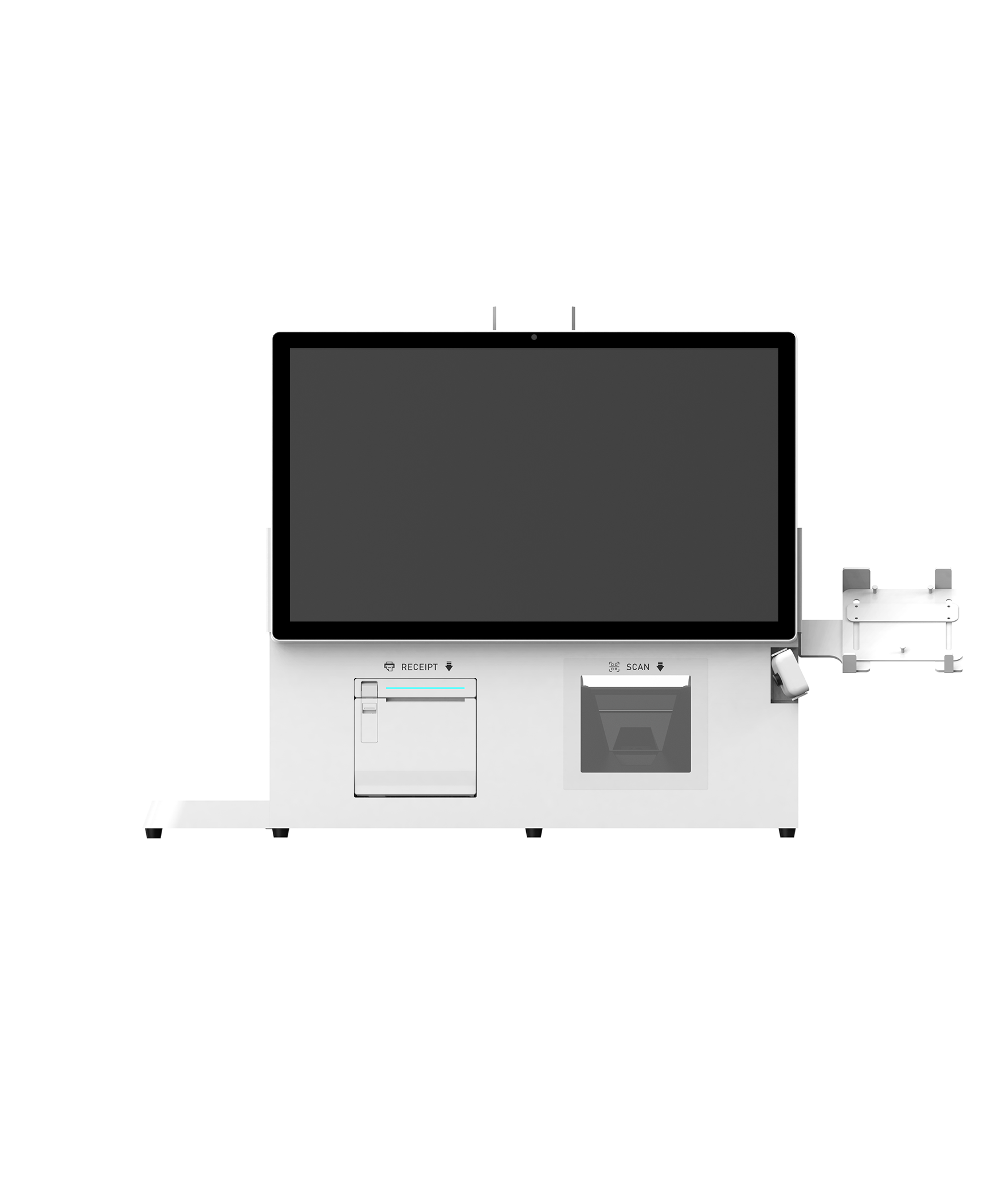
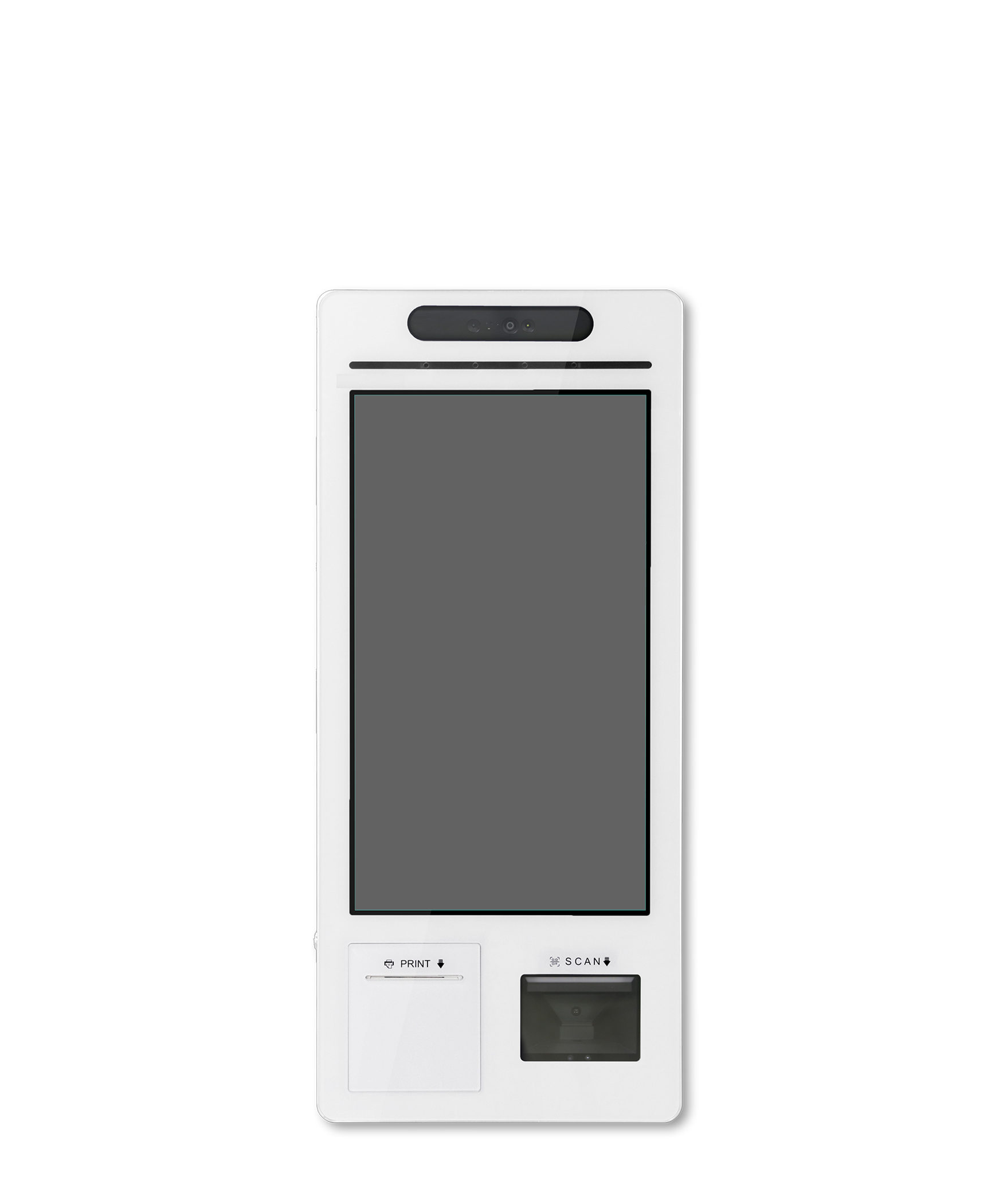
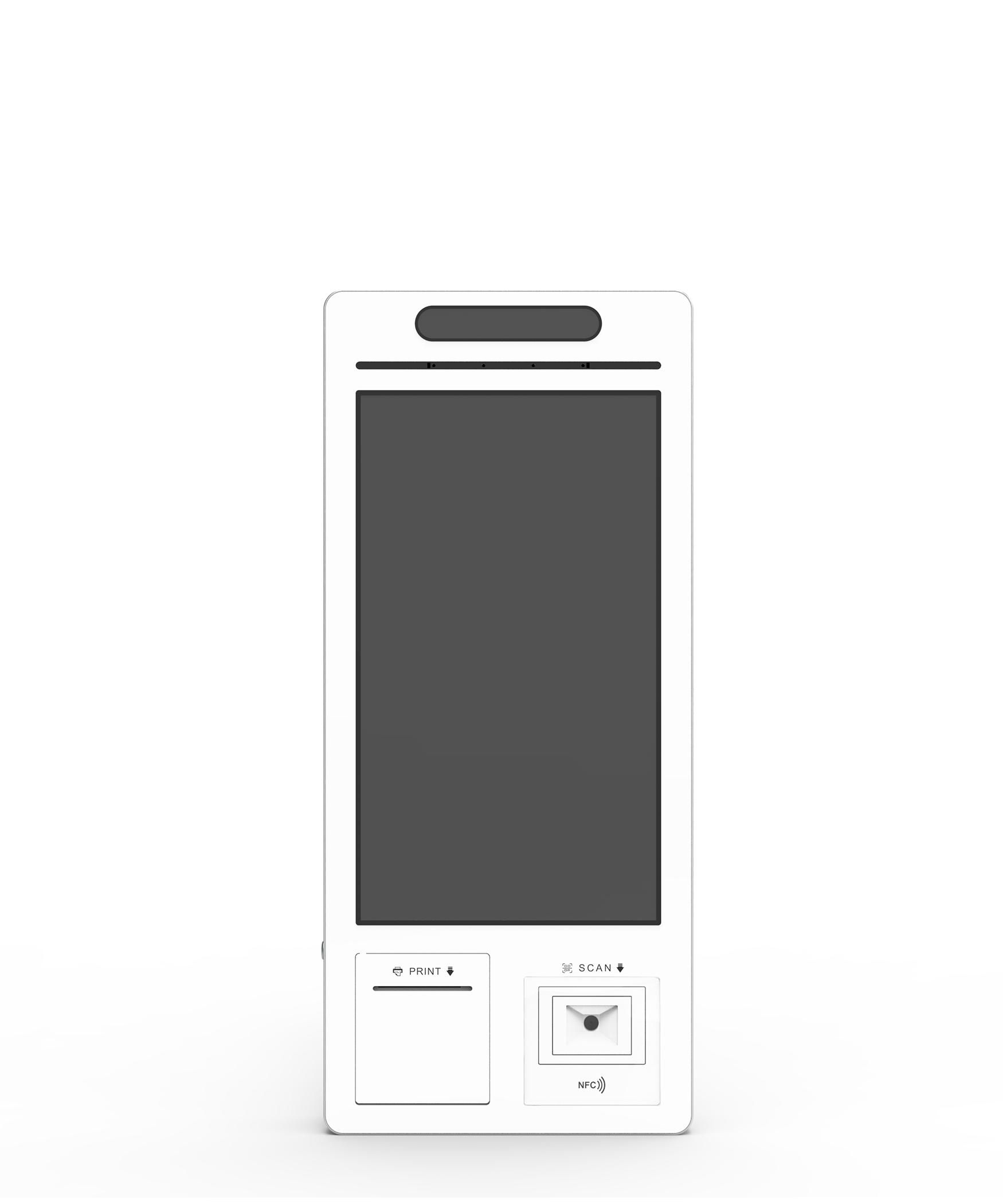
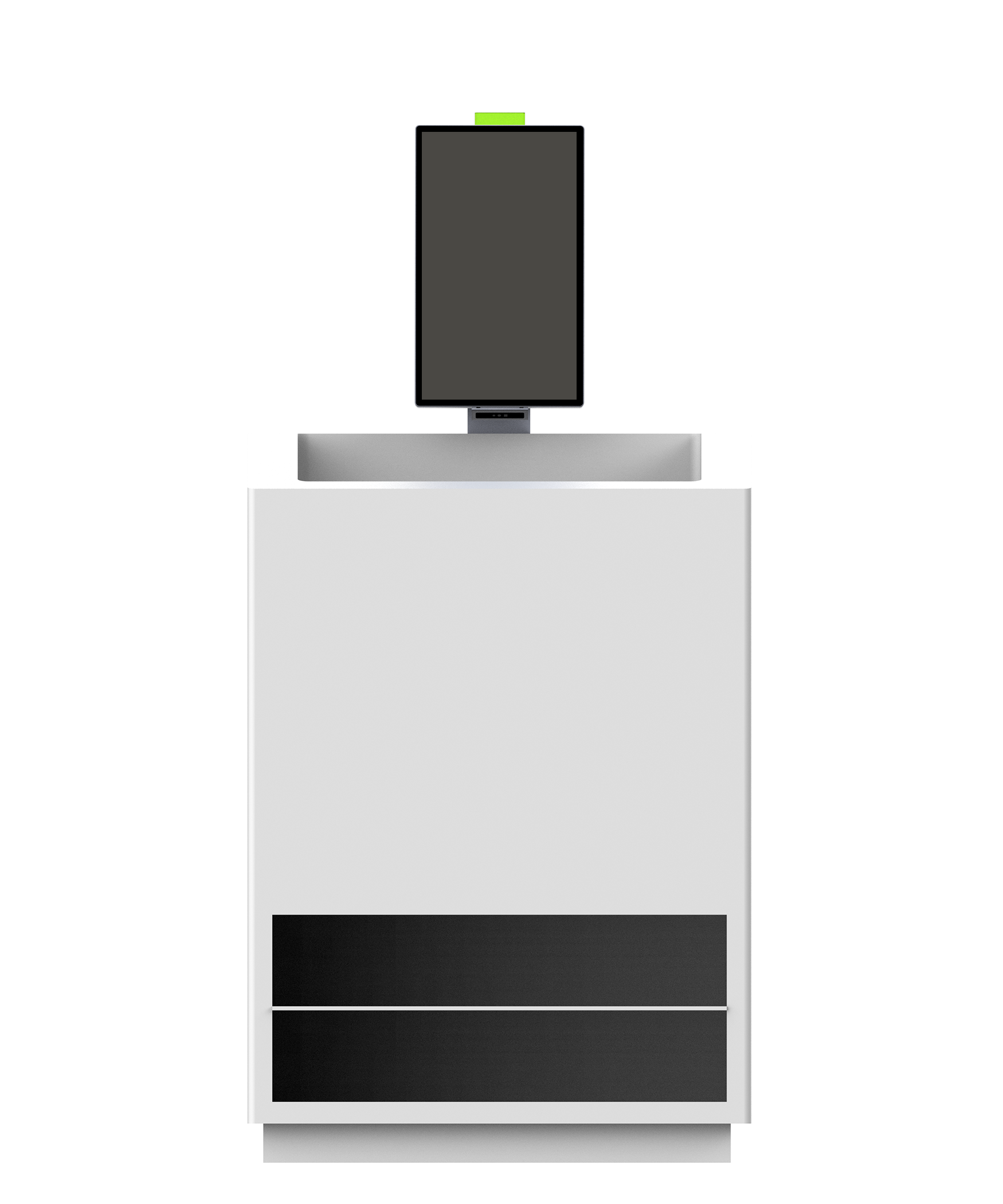
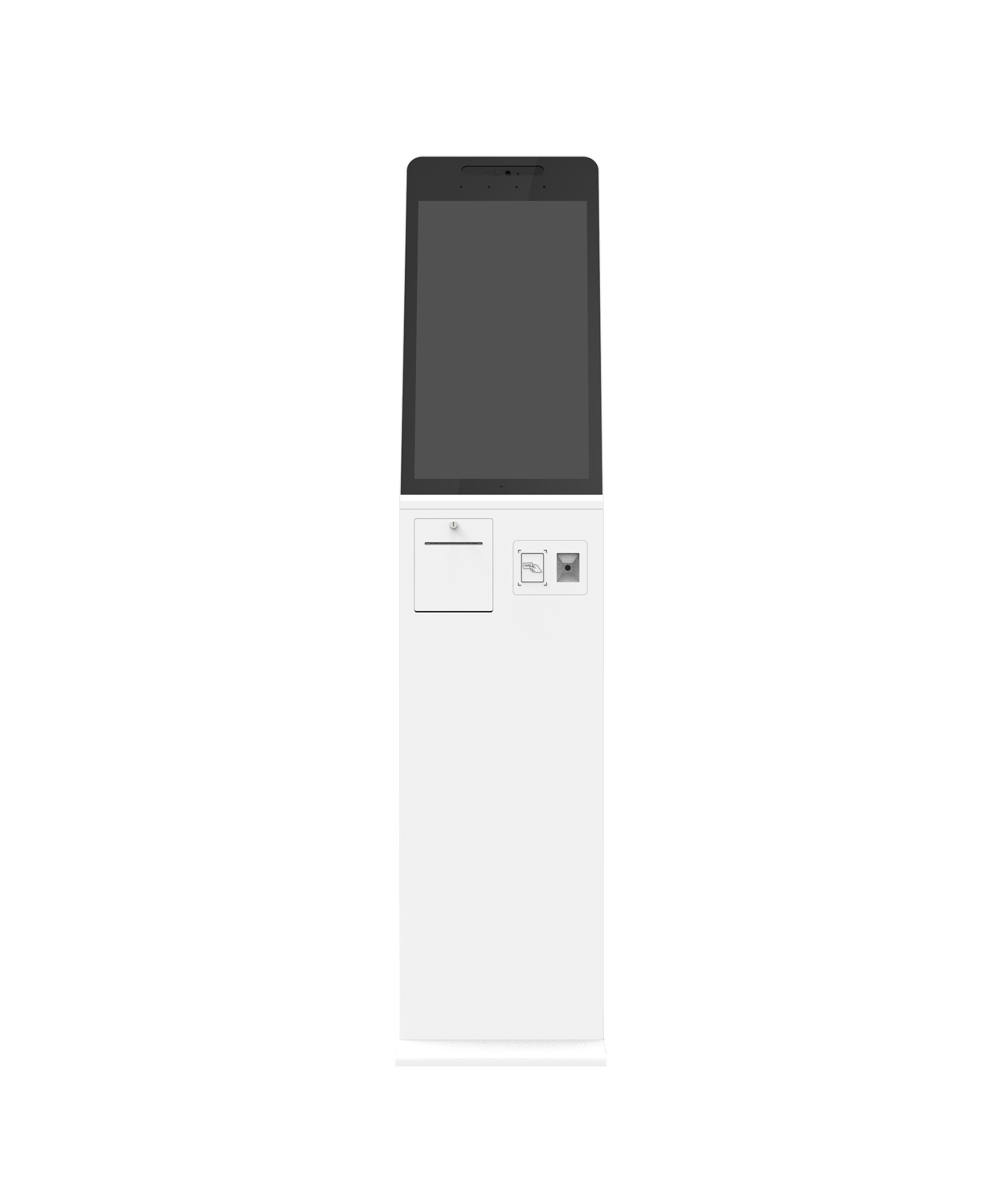
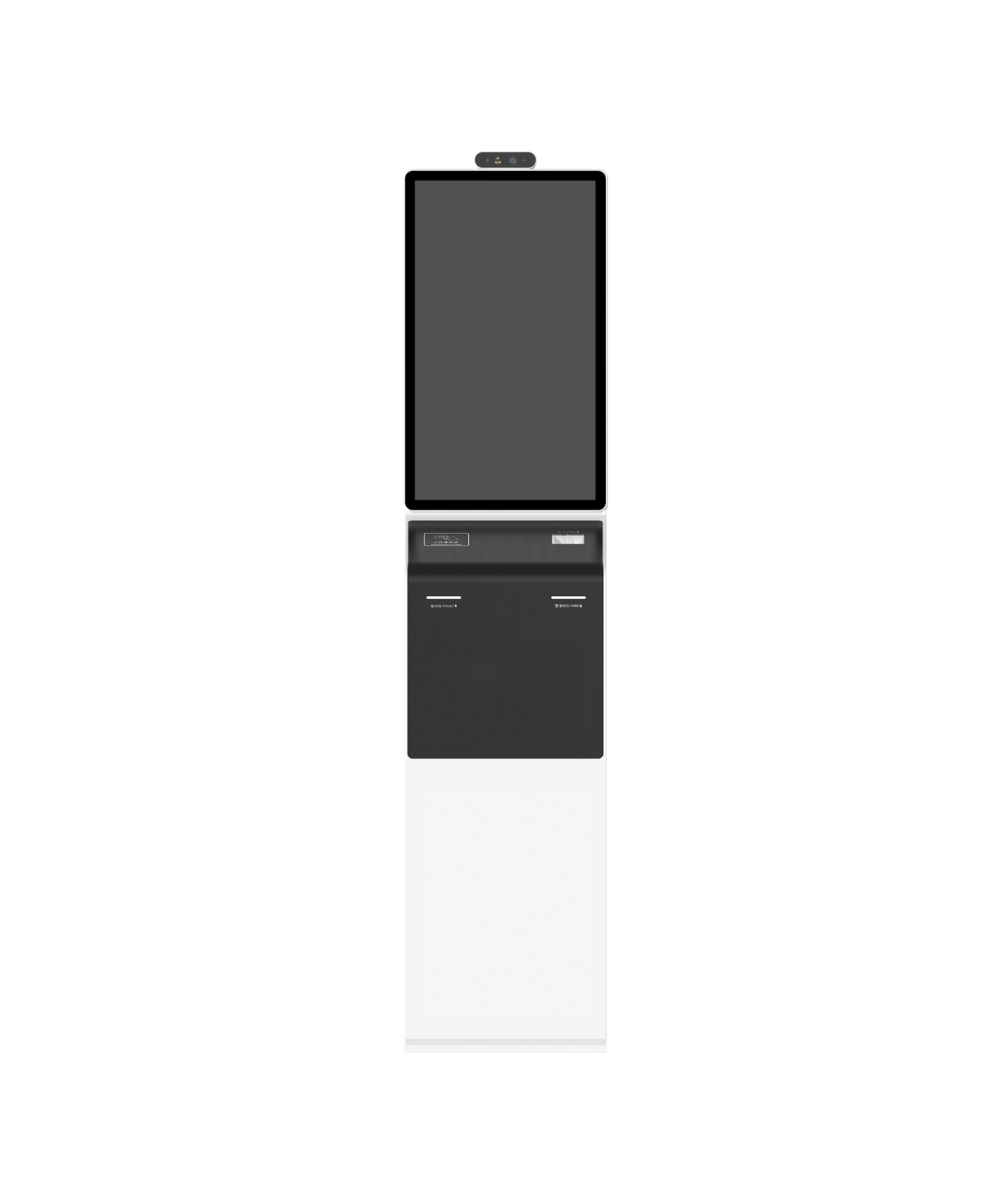
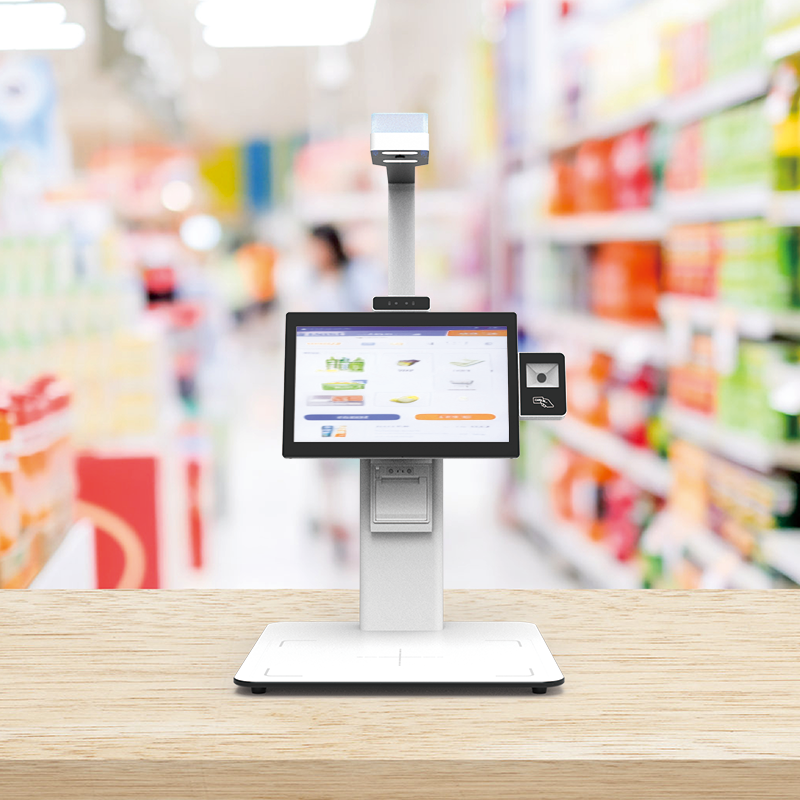
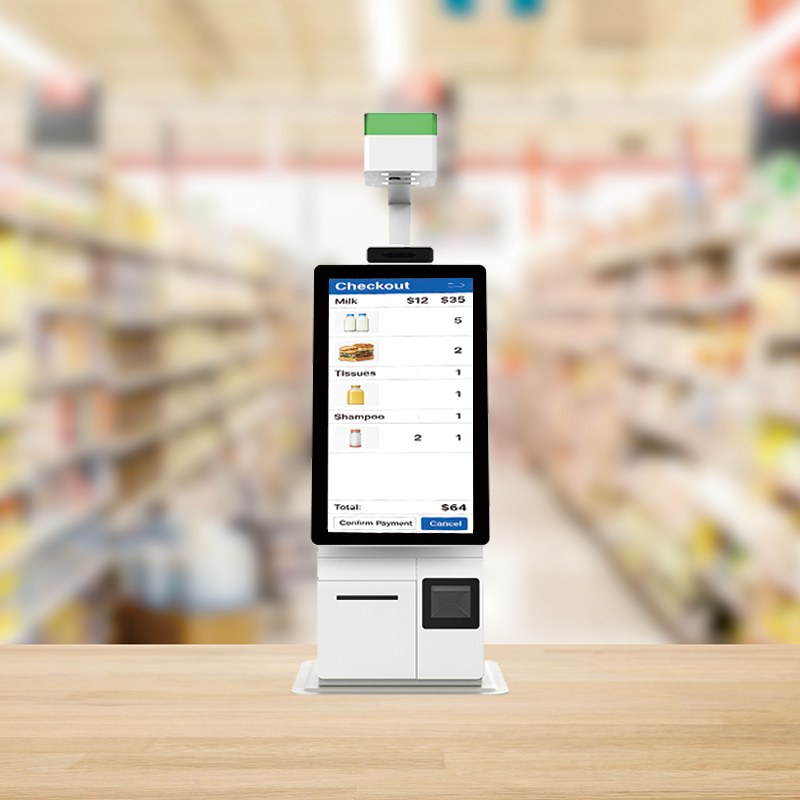
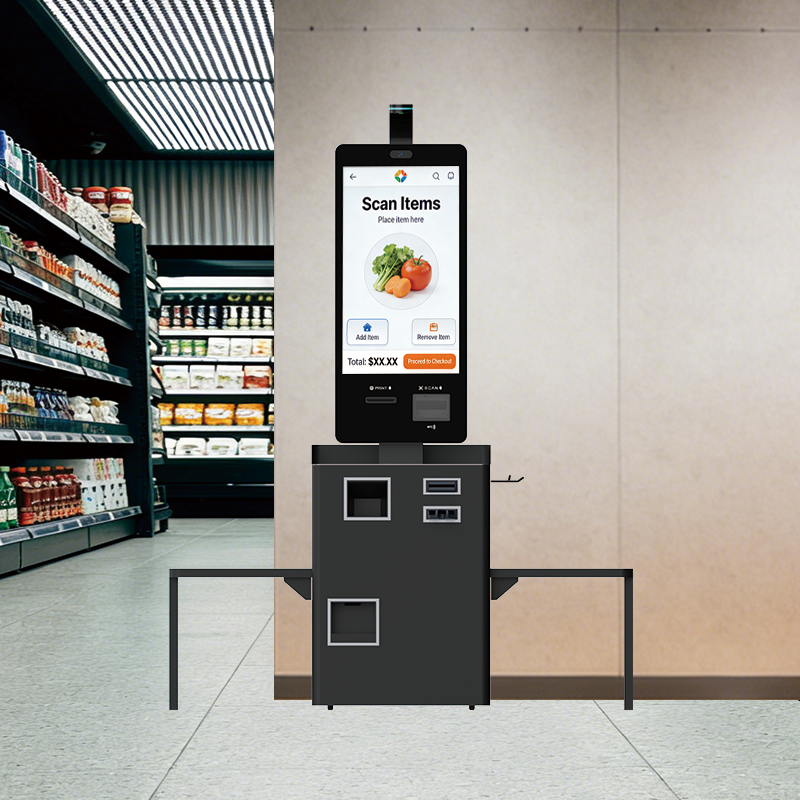
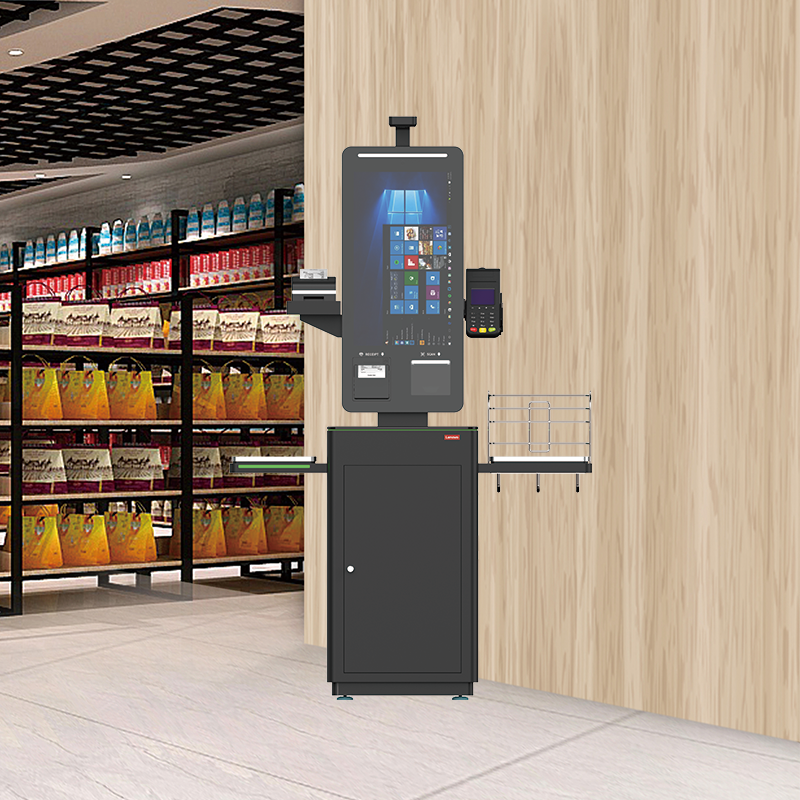
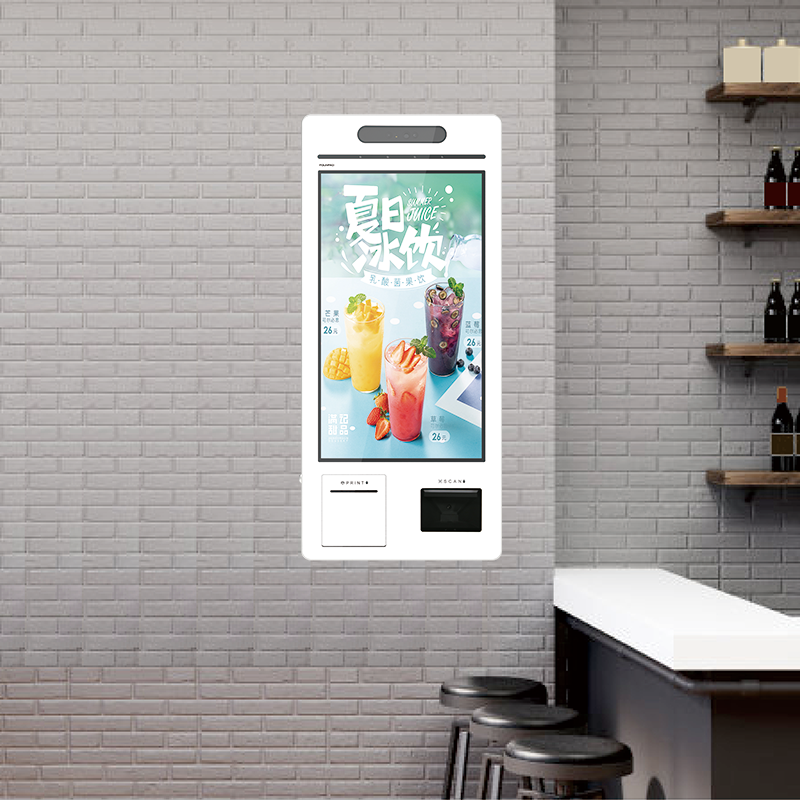
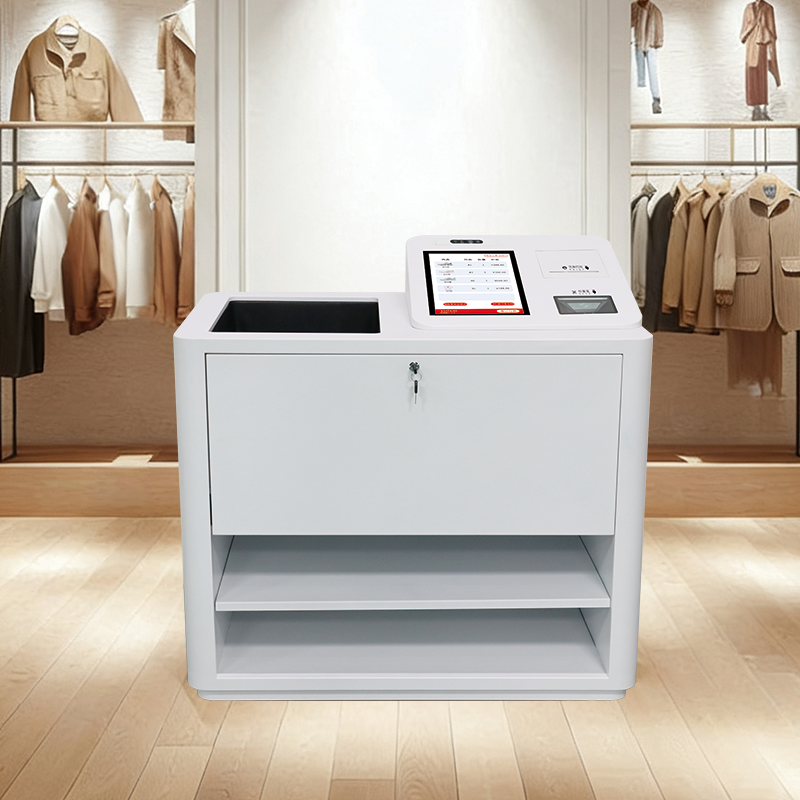
To deliver a modernized, efficient, and digitalized dining experience for thousands of students and faculty members, Tianhua College partnered with FUNPAD to upgrade its campus cafeteria. By integrating the advanced FUNPAD V1 AI Self-Service Kiosk, the college successfully transitioned from bottleneck-prone manual cashier lines to a frictionless, automated self-checkout system.
The Challenges in College Dining Logistics
Managing high-volume catering in higher education institutions presents distinct operational hurdles, especially during tightly scheduled class breaks:
·Massive Rush-Hour Bottlenecks: Thousands of students flood the dining hall simultaneously, leading to long queues that eat into their rest periods.
·Cashier Peak Pressure: Manual billing for customized, diverse food trays during peak hours increases errors, operational stress, and transaction times.
·Payment Fragmentation: Students demand versatile payment options that smoothly bridge traditional campus ecosystem cards with modern mobile wallets.
The Solution: FUNPAD V1 AI Self-Service Checkout Kiosk
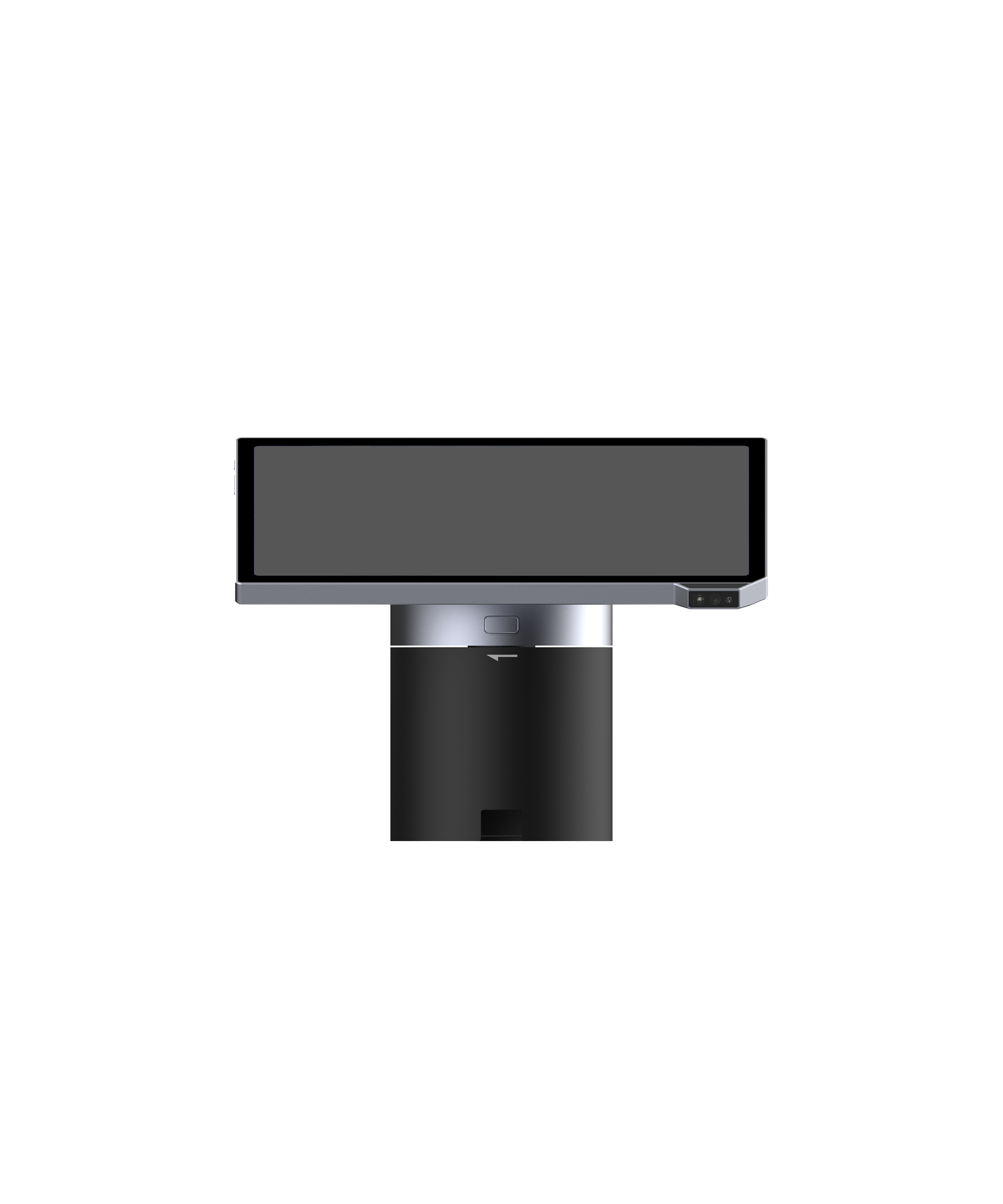
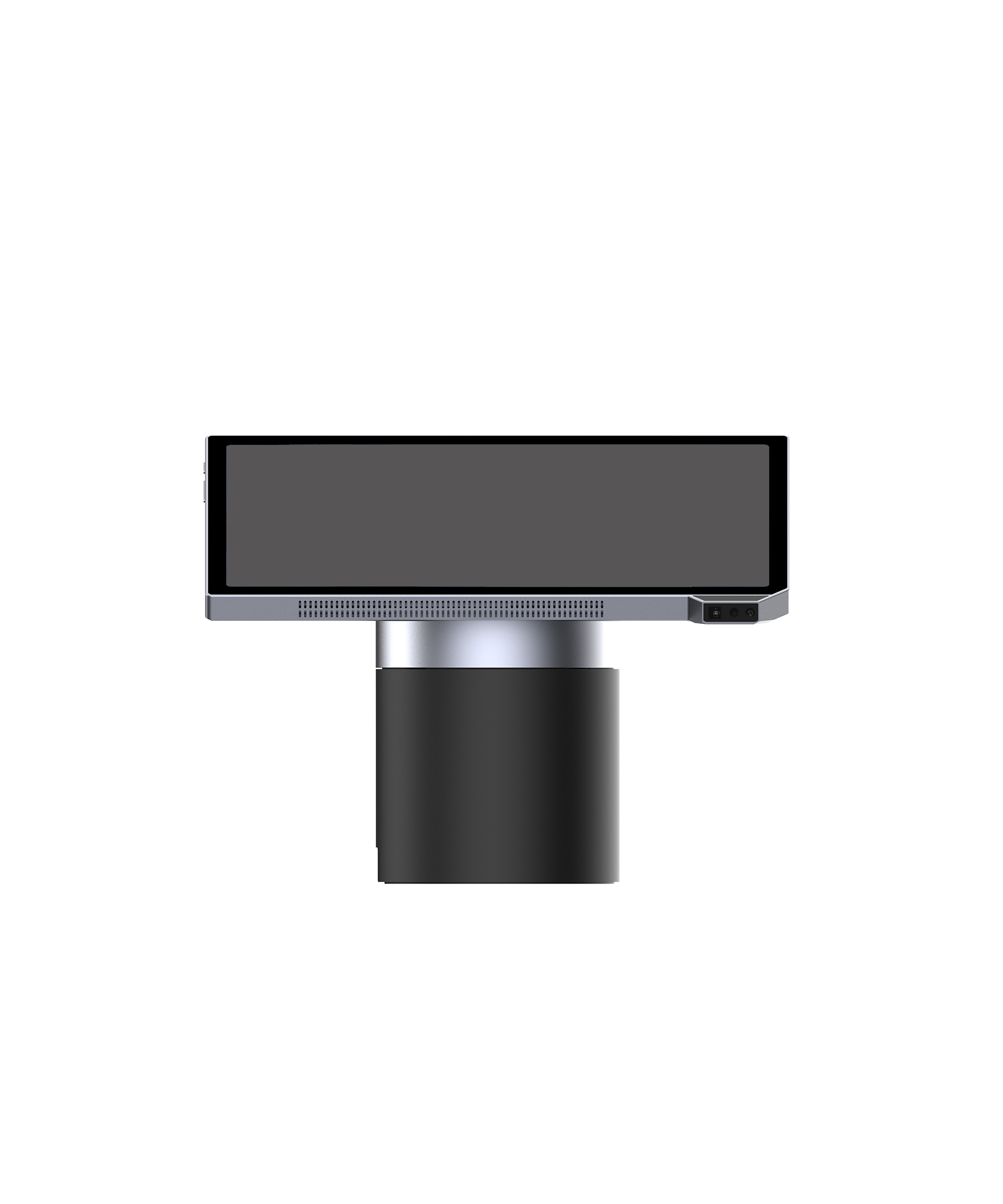
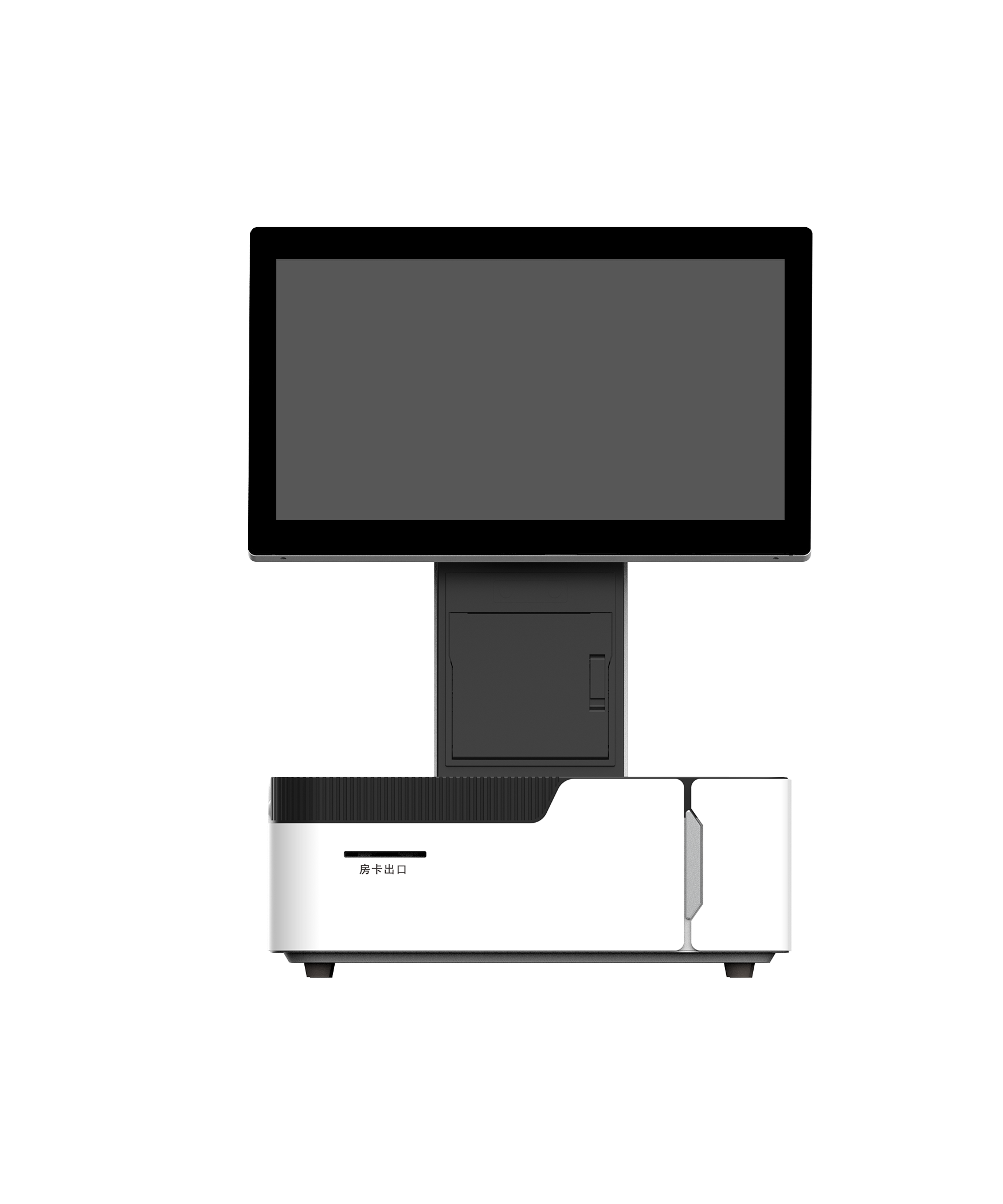
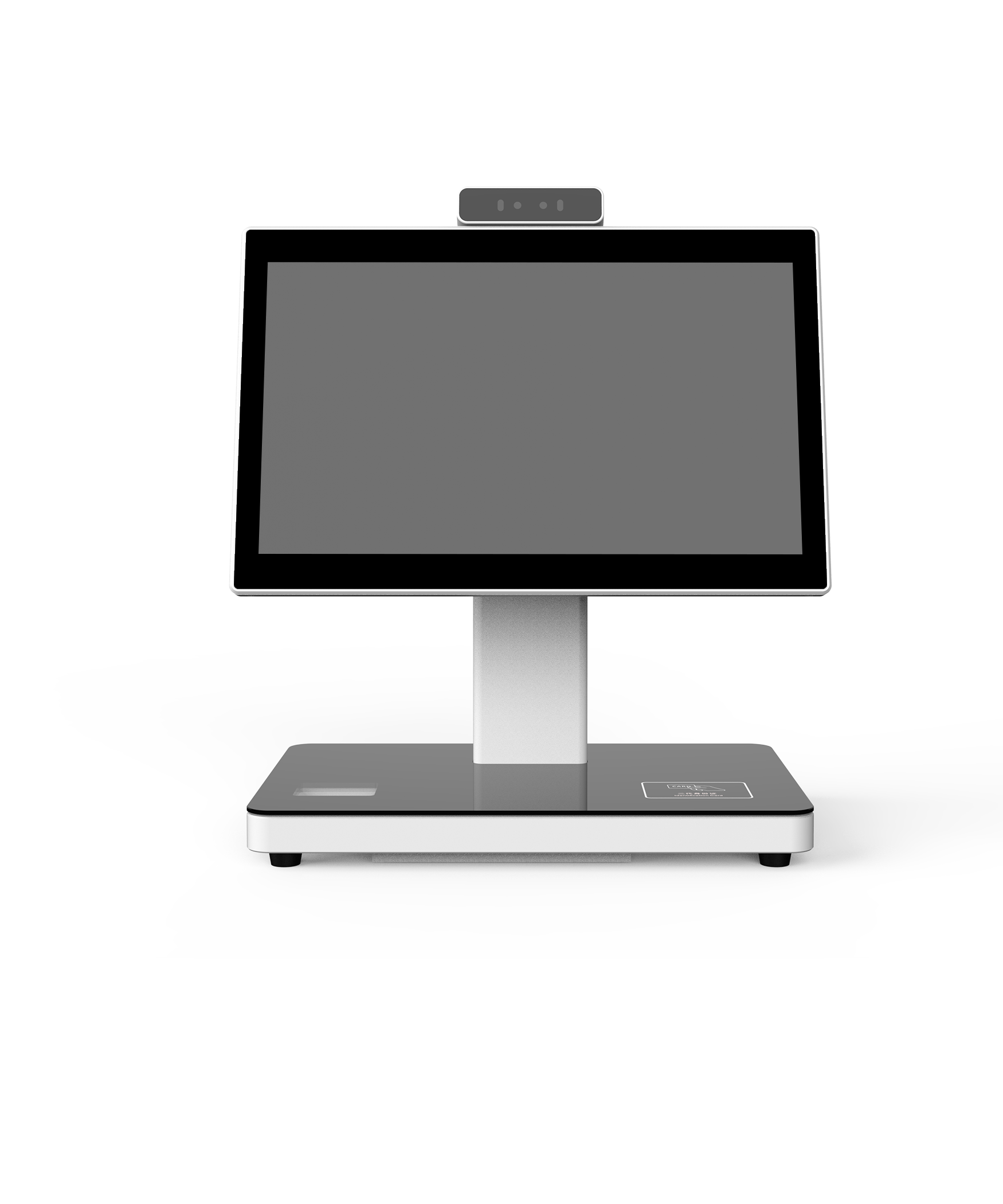
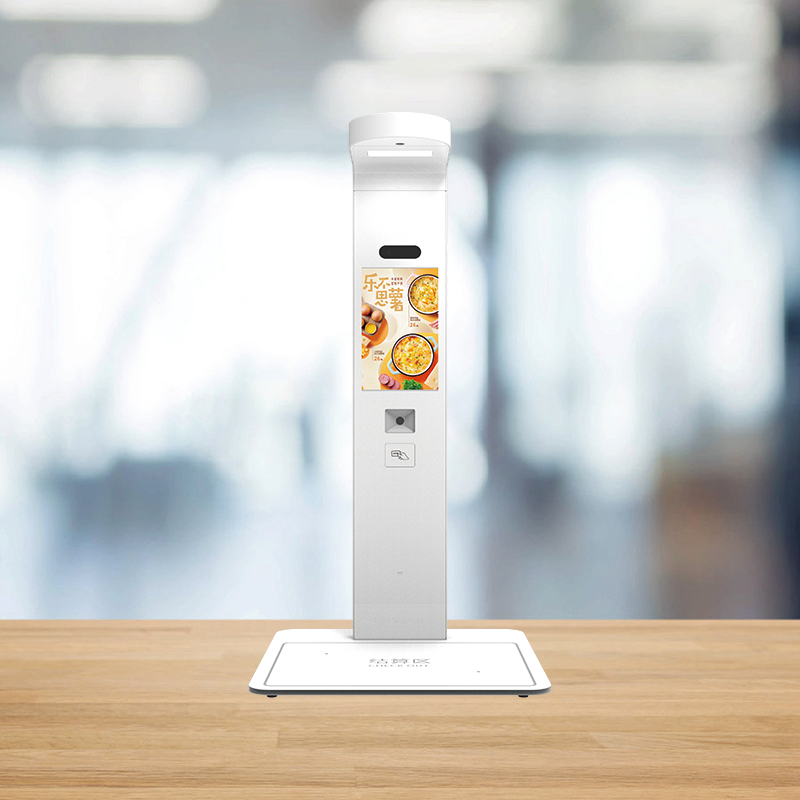
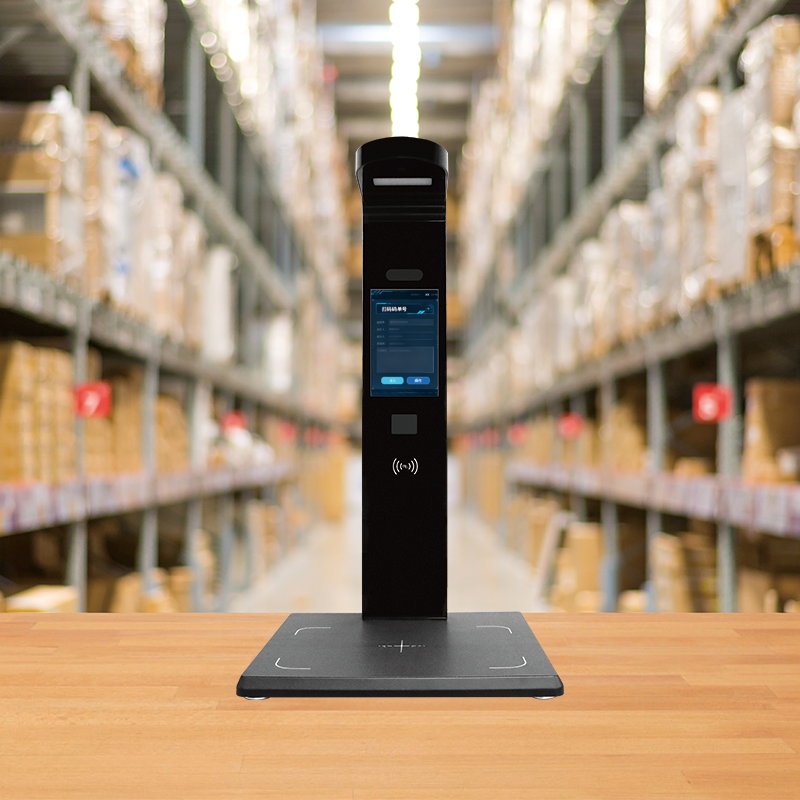
The FUNPAD V1 was deployed as the ideal intelligent terminal for the college's fast-paced environment, leveraging industrial-grade stability and advanced computer vision:
·0.5-Second Visual Billing: Driven by robust deep-learning algorithms, the V1 kiosk identifies multiple food items and dishes on a single tray instantly, generating the bill automatically.
·Unified Campus Ecosystem Integration: Fully compatible with existing campus ID cards (RFID/NFC), mobile QR code payments, and secure facial-recognition billing systems.
·Durable & Hygienic Build: Designed with an enterprise-grade touchscreen and easy-to-clean exterior surfaces capable of handling non-stop, heavy daily usage in busy university kitchens.
Key Benefits & Results
·Drastic Reduction in Wait Times: Accelerated the entire checkout process to under 3 seconds per person, completely eliminating peak-hour congestion at dining hall counters.
·Enhanced Operational Precision: Eradicated human calculation errors, ensuring transparent billing and building mutual trust between the student body and the university logistics department.
·Resource Optimization: Decreased the required number of manual cash registers by over 50%, enabling the management to reallocate staff to food safety, preparation, and customer service.